Sheet Metal
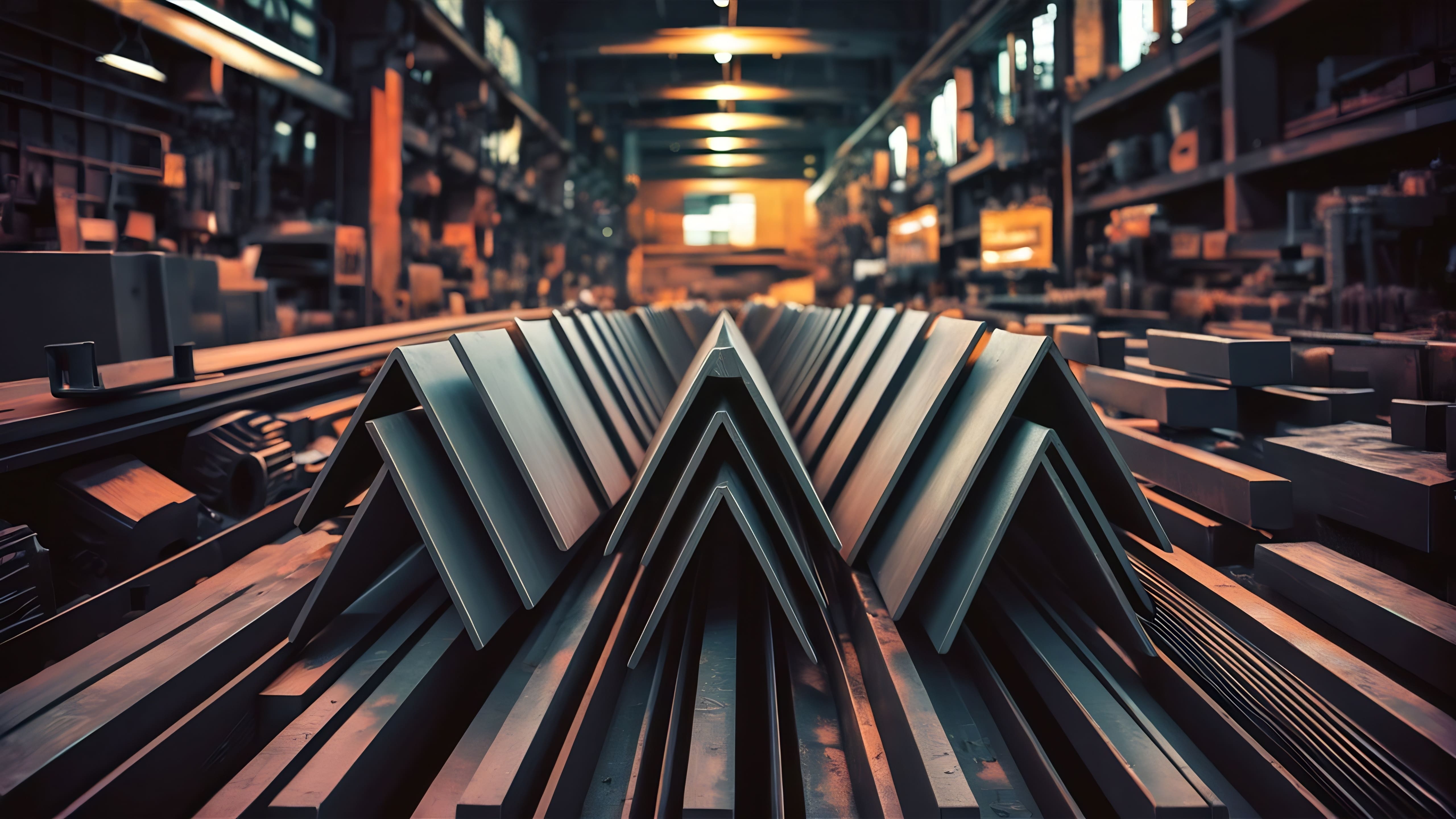
What is sheet metal?
Sheet metal is a metal rolled or pressed in the form of flat sheets of relatively small thickness compared to length and width. It can be used to cut , bend, stamped, punched, welded and formed into various parts like panels, ducts, brackets, chassis , roofs, etc.
Sheet metal is divided into various types, based on
1. Manufacturing process.
2. Material composition.
3. Protection and Finish.
4. Thickness.
1. Types by Manufacturing process.
a. Hot rolled sheet: Hot rolled sheets form by heating steel billets above 1700’F (926’C) and passing them through rollers while hot, Allowing it to form into thinner sheets. This process results in scaly rough surface due to oxidation with slight distortions, rounded edges and less precise dimension due to cooling shrinkage. These sheets offer good ductility, malleability and lower cost. It makes suitable for structural uses like beams, railroad tracks, pipes and heavy fabrication where exact tolerances and aesthetics matter less.
b. Cold rolled sheet: Cold rolled sheets begin as hot rolled steel, then get re-rolled at ambient temperatures. This hardens hardens the material for tighter tolerances, smoother oily surfaces and sharper edges. This yields higher strength upto 20% more, hardness and resistance to deformation, but introduces internal stresses that may require stress-relief annealing. Costs is more due to extra processing. Ideal for precision parts in appliances, automotive panels.
2. Types by Material.
a. Carbon/ Mild steel sheet: Mild steel sheet is also known as low carbon steel sheet. It contains about 0.05 – 0.25% carbon, which offers excellent ductility, weldability and affordability. It provides good strength for structural uses but requires coatings to resist corrosion. Common applications includes construction frames, beams, bridges, gates, fencing, pipelines, automotive body parts and machinery enclosures.
b. Stainless steel sheet: Stainless steel sheet is a chromium-nickel alloy (typically 10-30% chromium) that forms a passive oxide layer for superior corrosion resistance, durability and hygienic properties. It maintains strength at high temperatures and offers a polished finish. Common applications includes kitchen equipments, food processing machinery, medical devices, chemical tanks and exhaust systems.
c. Galvanized steel sheet: Galvanized is a mild steel coated with zinc via hot dip or electro-galvanizing to provide sacrificial corrosion protection in harsh environments. The zinc layer sacrifices itself to protect the base metal, extending lifespan without painting. Key applications include roofing, HVAC ducts, outdoor structures.
d. Aluminium sheet: Aluminium sheet is light weight, which is about 1/3 of steel’s density, with natural oxide corrosion resistance, high thermal/ electrical conductivity and excellent formability. Alloys like 3003 or 5052 enhance strength for specific needs. It suits aerospace panels, automotive bodies, facades, enclosures, cans and heat exchangers.
e. Copper/ Brass sheet: Copper sheet features exceptional electrical / thermal conductivity, malleability, antimicrobial qualities. Alloy brass ( copper-zinc) has good strength and corrosion resistance. Applications include electrical bus bars, heat exchangers, decorative panels.
3. Types by protection and finish.
a. Bare or uncoated sheet: Bare or uncoated sheets consist of plain rolled steel or other metal without zinc, paint or other surface treatments. It is a raw mill finish that may show scale or oil residue. They offer good formability and weldability but required additional painting or galvanizing for corrosion protection in exposed uses. Applications are structural fabrication, machinery enclosures, brackets.
b. Colour coated sheet: Color coated steel sheets are also known as pre – painted Galvanized or PPGI/PPGL. They have steel substrates coated with primer, color paint and top coat via coil coating for UV resistance, corrosion protection and visual appeal. Applications include roofing, wall cladding, fascades, industrial buildings, solar panel frames.
c. Anodised aluminium sheet: Anodised aluminium sheets form a thick, porous oxide layer through anodizing, enhancing corrosion resistance, hardness, dyeability and wear resistance. While retaining lightweight properties. Applications cover decorative panels, nameplates, signage, architectural facades, electronics enclosures, license plates, solar components and kitchen appliances.
d. Polished, brushed or patterned finishes: Polished finishes achieve high gloss via buffing for reflectivity. Brushed creates unidirectional linear texture by abrasive brushing to hide scratches. Patterned adds embossed designs for grip or aesthetics on stainless steel, aluminium or brass. Applications are architectural interiors, kitchen appliances, lab equipment, medical devices and furniture.
4. Types by thickness.
a. Foil: Foil is metal rolled into very thin, flexible pieces where thickness is much smaller than sheet. Typically thickness will be below 0.2 mm for aluminium and similar metals. It can be easily bent or wrapped and is often fragile on its own. Applications are food packing and household wraps. Thermal insulation layers in HVAC and building applications.
b. Sheets: Sheet is a flat metal in the intermediate thickness range of 0.5 – 6 mm. it can be used to cut, bend, stamp and form. Applications are Enclosures, panels, ducts, cabinets, automotive body panels, roofing etc.
c. Plates: Plates refers to flat metal thicker than the usual sheet range, thicker than about 6 mm. It provides high stiffness and load carrying capacity. Applications include Structural components like base plates, gussets, heavy machinery parts, shipbuilding, boilers and pressure vessels.